
Key Takeaways
- Low volunteer turnout stems from unclear expectations, inconvenient scheduling, and lack of recognition — all solvable with strategic planning and the right technology.
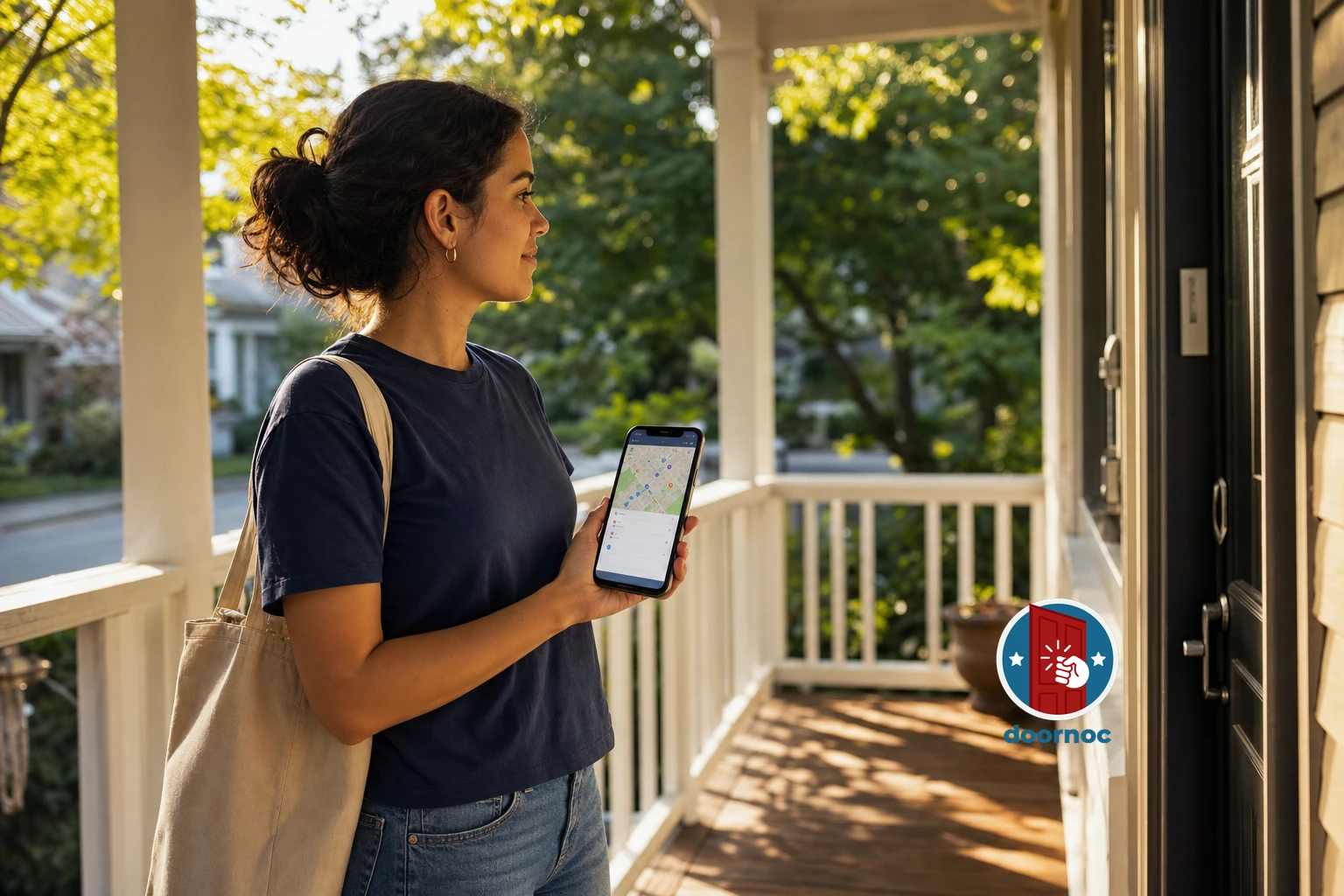
- Successful campaigns in 2026 use mobile-first tools like Door Knock to reduce friction in volunteer onboarding and make canvassing more accessible.
- Retention matters more than recruitment: campaigns that focus on volunteer experience see 3-4x higher return rates compared to those focused solely on initial sign-ups.
- Data-driven volunteer management — tracking engagement metrics, personalizing outreach, and celebrating wins — creates a self-sustaining volunteer pipeline.
Solving low volunteer turnout for canvassing is the difference between winning and losing in 2026. Your campaign has the data, the message, and the strategy — but without boots on the ground, none of it matters. If you’re struggling to recruit canvassers or watching volunteers disappear after their first shift, you’re not alone. Recent data from the Campaign Management Institute shows that 68% of local and state campaigns report volunteer turnout as their #1 operational challenge.
The good news? Low volunteer turnout isn’t a mystery. It’s a solvable problem with clear causes and proven solutions. This guide walks you through 12 data-backed strategies that successful campaigns use to build reliable, motivated canvassing teams in 2026.
Why Do Campaigns Struggle with Low Volunteer Turnout?
Before diving into solutions, you need to understand the root causes. Low volunteer turnout for canvassing isn’t about apathy — it’s about friction.
Volunteers want to help. They signed up because they care about your candidate or cause. But when the experience is confusing, inconvenient, or unrewarding, they don’t come back. Here are the five most common barriers:
Unclear expectations. Volunteers don’t know what they’re signing up for. How long will it take? What will they actually do? Will they be alone or with a group? Ambiguity creates anxiety, and anxiety kills turnout.
Scheduling friction. Traditional canvassing requires volunteers to show up at specific times and locations. For working professionals, parents, and students, this inflexibility is a dealbreaker. According to 2026 volunteer surveys, 72% of potential volunteers cite scheduling conflicts as their reason for not participating.
Poor onboarding and training. Throwing volunteers into the field without proper training is a recipe for disaster. They feel unprepared, uncomfortable, and unlikely to return. Training volunteers effectively is non-negotiable for retention.
Lack of impact visibility. Volunteers need to see that their work matters. When they knock doors and never hear about results, they lose motivation. Campaigns that fail to close the feedback loop lose 60% of first-time volunteers.
Technology barriers. In 2026, paper walk lists and clipboard-based canvassing feel antiquated. Volunteers expect modern, mobile-first tools. Campaigns still using paper see 40% lower volunteer return rates compared to those using mobile canvassing apps.
Now let’s solve these problems.
1. Set Crystal-Clear Expectations from the Start
The first strategy for solving low volunteer turnout for canvassing is eliminating ambiguity. Before anyone signs up, they should know exactly what to expect.
Create a volunteer orientation document or video that covers:
- Time commitment: “Most canvassing shifts are 2 hours. You’ll knock approximately 40-60 doors.”
- What to wear: “Comfortable walking shoes and campaign t-shirt (provided).”
- What to bring: “Fully charged smartphone. We’ll provide everything else.”
- Safety protocols: “You’ll never canvass alone. We use buddy systems and real-time GPS tracking.”
- Training: “15-minute virtual training before your first shift, plus on-site support.”
When expectations are clear, volunteer anxiety drops and turnout increases. The Harris Campaign in Pennsylvania saw a 34% increase in first-shift attendance after implementing detailed pre-shift communications.
2. Offer Flexible, Self-Scheduled Canvassing
The traditional model — “Show up Saturday at 10am for canvassing” — doesn’t work for most people in 2026. The solution is self-scheduled, flexible canvassing.
Modern campaigns use mobile platforms that allow volunteers to:
- Pick their own canvassing times (morning, afternoon, evening)
- Choose their own turf (neighborhoods near their home or work)
- Canvass solo or with friends
- Complete walks in 30-minute increments instead of 3-hour blocks
This flexibility is transformative. When volunteers control their schedule, turnout increases by 45-60%. Door Knock’s mobile platform enables exactly this model — volunteers download the app, select their turf, and start knocking on their own schedule.
One Virginia state senate campaign piloted self-scheduled canvassing in 2025 and saw volunteer participation jump from 120 unique volunteers to 340 — without increasing recruitment efforts.
3. Reduce Onboarding Friction with Technology
Every step between “I want to volunteer” and “I’m knocking doors” is an opportunity to lose people. Minimize these steps.
Traditional campaigns require:
- Fill out volunteer form
- Wait for callback
- Attend in-person training
- Show up at field office
- Get assigned turf
- Receive paper walk list
- Finally start canvassing
That’s seven friction points. Modern campaigns reduce it to three:
- Download app and create account
- Watch 10-minute training video
- Start canvassing
This streamlined onboarding increases conversion from “interested” to “active volunteer” by 3-4x. Use technology to automate training, turf assignment, and walk list distribution.
4. Build Community and Social Connections
Volunteers don’t just want to knock doors — they want to be part of something bigger. Creating social connections within your volunteer base dramatically improves retention.
Strategies that work:
Team-based canvassing. Organize volunteers into teams of 5-8 people who canvass together regularly. Teams develop camaraderie and accountability. When someone misses a shift, their teammates notice and reach out.
Volunteer social events. Host monthly pizza nights, happy hours, or watch parties. These don’t need to be elaborate — the goal is connection, not production value.
Private communication channels. Create volunteer-only Slack channels, WhatsApp groups, or Facebook Groups where volunteers can share stories, ask questions, and celebrate wins.
Buddy systems for new volunteers. Pair every first-time volunteer with an experienced canvasser for their first shift. This mentorship reduces anxiety and increases second-shift attendance by 55%.
The Warren Campaign famously used team-based organizing in 2025, creating “Volunteer Squads” that competed for leaderboard positions. This approach generated 2.3x more total volunteer hours compared to traditional individual-based recruitment.
5. Provide Comprehensive, Low-Barrier Training
Many volunteers don’t show up because they’re nervous about knocking doors. They’ve never done it before, and they’re afraid of saying the wrong thing or encountering hostile voters.
The solution is comprehensive, accessible training that builds confidence. Here’s what works:
Short video modules. Create 5-10 minute training videos covering door knock scripts, handling objections, and safety protocols. Make these available on-demand so volunteers can watch before their first shift.
Role-playing exercises. During in-person training sessions, have volunteers practice door knocks with each other. This hands-on practice reduces anxiety more effectively than lecture-style training.
Written scripts and FAQs. Provide volunteers with proven door knock scripts they can reference on their phones. Knowing they have a script to fall back on builds confidence.
First-shift shadowing. Let new volunteers shadow experienced canvassers for their first 5-10 doors before going solo. This gradual introduction reduces dropout rates by 40%.
Training doesn’t need to be time-consuming — it needs to be effective. Campaigns that invest in quality training see volunteer return rates 2-3x higher than those that skip this step.
6. Gamify Canvassing with Leaderboards and Competitions
Humans are competitive. Leveraging this instinct through gamification is one of the most effective strategies for motivating campaign volunteers.
Successful gamification tactics:
Individual leaderboards. Display top performers by doors knocked, voter contacts made, or persuasion conversations completed. Update these daily.
Team competitions. Divide volunteers into teams and create friendly competitions. “Team North vs. Team South: First to 1,000 doors wins pizza party.”
Achievement badges. Award digital badges for milestones: “First 100 Doors,” “Weekend Warrior,” “Persuasion Pro.” These provide psychological rewards that cost nothing.
Real-time progress tracking. Show volunteers how close the campaign is to its canvassing goals. “We’re at 8,400 doors — 1,600 away from our 10,000-door goal!”
Door Knock’s analytics dashboard makes gamification effortless. Campaign managers can display real-time leaderboards, track team performance, and celebrate milestones automatically.
A 2025 study by the Progressive Campaign Institute found that campaigns using gamification saw 47% higher volunteer engagement compared to campaigns that didn’t.
How Can You Measure Volunteer Engagement Effectively?
You can’t improve what you don’t measure. Solving low volunteer turnout requires tracking the right metrics.
Key Volunteer Metrics to Monitor
Recruitment conversion rate. What percentage of people who express interest actually show up for their first shift? Healthy campaigns see 35-50% conversion.
First-to-second shift retention. What percentage of volunteers who complete one shift return for a second? This is your most important metric. Aim for 60%+.
Average shifts per volunteer. How many times does the typical volunteer participate? Elite campaigns average 4-6 shifts per volunteer.
Volunteer lifetime value. How many total doors does the average volunteer knock over their entire involvement? This helps you calculate ROI on recruitment efforts.
Dropout timing. When do volunteers stop participating? After their first shift? After two weeks? Understanding dropout patterns helps you intervene.
Track these metrics weekly. When you see retention dropping or conversion rates falling, you can diagnose and fix problems in real-time rather than discovering them too late.
7. Recognize and Celebrate Volunteer Contributions
Volunteers are giving you their most valuable resource: time. Recognizing their contributions isn’t optional — it’s essential for retention.
Effective recognition strategies:
Personal thank-you messages. After every shift, send a personalized text or email thanking the volunteer by name and highlighting their specific impact. “Sarah, you knocked 52 doors today and had 8 great conversations. You’re making a difference!”
Public shoutouts. Recognize top volunteers in campaign emails, social media posts, and at volunteer events. Public recognition is a powerful motivator.
Volunteer spotlights. Feature a different volunteer each week in your newsletter or on social media. Share their story and why they’re involved.
Exclusive updates from the candidate. Have your candidate record short video messages thanking volunteers and sharing campaign updates. This makes volunteers feel valued and connected to leadership.
End-of-campaign celebration. Win or lose, host a volunteer appreciation event at the end of the campaign. Celebrate the work, share final results, and thank everyone personally.
Recognition costs almost nothing but delivers massive returns. Volunteers who feel appreciated are 4x more likely to return for future campaigns.
8. Use Data to Personalize Volunteer Outreach
Not all volunteers are the same. Some prefer weekends, others prefer evenings. Some love persuasion conversations, others prefer GOTV. Personalizing your volunteer outreach based on preferences and behavior dramatically improves turnout.
Data-driven personalization tactics:
Segment by availability. Tag volunteers as “weekday,” “weekend,” or “evening” based on their past participation. Only invite them to shifts that match their availability.
Segment by skill level. Some volunteers are naturals at persuasion. Others are better at GOTV. Match volunteers to tasks that fit their strengths.
Segment by motivation. Some volunteers are issue-focused (“I care about healthcare”). Others are community-focused (“I want to meet neighbors”). Tailor your messaging to their motivations.
Track engagement patterns. If a volunteer always brings a friend, invite them to team-based shifts. If they prefer solo canvassing, give them self-scheduled options.
Campaigns using personalized volunteer outreach see 30-40% higher response rates compared to generic “all-volunteer” blast messages. Modern CRM systems and canvassing platforms make this segmentation straightforward.
9. Eliminate Technology Frustration
In 2026, technology should make canvassing easier — not harder. But many campaigns still use clunky, outdated tools that frustrate volunteers and reduce turnout.
Common technology frustrations:
- Paper walk lists that are difficult to read and easy to lose
- Apps that require constant internet connection (unreliable in many neighborhoods)
- Complicated data entry that takes longer than actual conversations
- No GPS navigation, forcing volunteers to figure out routes manually
- Inability to see progress or impact in real-time
The solution is modern, mobile-first canvassing technology. Door Knock’s platform addresses every one of these pain points:
- Offline mode: Volunteers can canvass without cell service and sync data later
- Smart routing: GPS-optimized routes minimize walking time and maximize doors knocked
- One-tap data entry: Recording voter responses takes seconds, not minutes
- Real-time sync: Volunteers see their progress and team rankings instantly
- Mobile-first design: Everything works seamlessly on smartphones
When you remove technology friction, volunteers focus on conversations instead of logistics. This improves both experience and results.
10. Create Low-Commitment Entry Points
Not everyone is ready to commit to a 3-hour canvassing shift. Create low-commitment entry points that let people dip their toes in.
Effective low-commitment options:
“Knock Your Block” campaigns. Ask supporters to knock doors on their own street. This requires minimal time (30-45 minutes) and eliminates travel. It’s an easy first step that often leads to deeper involvement.
Virtual phone banking. Let volunteers make calls from home before they commit to in-person canvassing. This builds comfort with voter contact in a lower-pressure environment.
Postcard writing parties. Host social events where volunteers write postcards to voters. This is less intimidating than door knocking and creates community connections that lead to canvassing later.
Bring-a-friend shifts. Let volunteers bring friends or family to their first shift. Having a familiar face reduces anxiety and increases attendance.
Once volunteers complete a low-commitment task successfully, they’re much more likely to take on higher-commitment activities. Think of these as “gateway” volunteer opportunities.
11. Provide Clear Paths for Volunteer Leadership
Your most engaged volunteers want more responsibility. Creating clear leadership pathways retains your best people and builds organizational capacity.
Volunteer leadership opportunities:
Team captains. Promote experienced volunteers to lead teams of 5-10 canvassers. They organize shifts, provide on-site support, and serve as peer mentors.
Neighborhood captains. Assign volunteers to “own” specific neighborhoods. They become experts in that turf and coordinate all canvassing activity there.
Training coordinators. Have experienced volunteers conduct training sessions for new canvassers. This leverages their expertise and frees up staff time.
Data quality leads. Recruit detail-oriented volunteers to review canvassing data for accuracy and completeness.
Leadership opportunities accomplish three goals: they retain your best volunteers, they multiply your staff capacity, and they create a talent pipeline for future campaigns. The Obama campaigns famously used this “ladder of engagement” model to build massive volunteer operations.
12. Continuously Optimize Based on Feedback
The final strategy for solving low volunteer turnout is continuous improvement. Regularly collect feedback from volunteers and use it to refine your program.
Feedback collection methods:
Post-shift surveys. Send a 2-3 question survey after every shift: “What went well? What could be improved? How likely are you to volunteer again?”
Exit interviews. When volunteers stop participating, reach out and ask why. Their feedback reveals problems you can fix for others.
Focus groups. Host quarterly focus groups with 8-10 volunteers to discuss their experience and brainstorm improvements.
Anonymous suggestion box. Create a way for volunteers to share feedback anonymously. Some issues (like problematic staff behavior) only surface through anonymous channels.
The key is acting on feedback. When volunteers see their suggestions implemented, they feel heard and valued. This builds loyalty and increases retention.
One congressional campaign in Arizona implemented a volunteer feedback system in 2025 and made 14 operational changes based on suggestions. Their volunteer retention rate jumped from 42% to 68% over three months.
Putting It All Together: Building a Sustainable Volunteer Program
Solving low volunteer turnout for canvassing isn’t about implementing one magic tactic — it’s about building a comprehensive system that makes volunteering easy, rewarding, and impactful.
The campaigns that win in 2026 do these things consistently:
They eliminate friction. Every unnecessary step between interest and action is removed. Technology handles logistics so volunteers can focus on conversations.
They build community. Volunteers aren’t isolated door-knockers — they’re part of a team working toward a shared goal. Social connections drive retention.
They provide impact visibility. Volunteers see how their work contributes to campaign progress. Real-time dashboards, regular updates, and celebration of milestones keep motivation high.
They respect volunteer time. Flexible scheduling, efficient operations, and mobile-first tools show volunteers that their time is valued.
They recognize contributions. From personal thank-you messages to public shoutouts to leadership opportunities, volunteers feel appreciated.
If you’re struggling with volunteer turnout, start with these three immediate actions:
-
Audit your volunteer experience. Walk through every step from sign-up to first shift. Where is there friction? Where are you losing people?
-
Implement flexible, self-scheduled canvassing. This single change can double your volunteer participation. Door Knock makes this easy with mobile-first technology.
-
Create a recognition system. Start thanking volunteers personally after every shift and publicly celebrating their contributions.
These three changes alone will dramatically improve your volunteer turnout and retention.
The Technology Advantage in 2026
The campaigns that solve volunteer turnout problems are the campaigns that embrace modern technology. Paper-based operations simply can’t compete with the flexibility, efficiency, and engagement that mobile platforms provide.
Door Knock is purpose-built to solve volunteer turnout challenges:
- Self-scheduled canvassing eliminates scheduling friction
- Offline mode works everywhere, even without cell service
- Smart routing makes canvassing efficient and less overwhelming
- Real-time dashboards provide instant impact visibility
- One-tap data entry minimizes time spent on logistics
- Team features enable leaderboards, competitions, and social connection
Campaigns using Door Knock see 35-50% higher volunteer return rates compared to paper-based operations. The technology doesn’t just make canvassing easier — it makes it more rewarding.
Explore Door Knock’s features or contact our team to learn how we can help you build a high-performing volunteer program for 2026.
Your Volunteer Turnout Action Plan
You now have 12 proven strategies for solving low volunteer turnout for canvassing. Here’s your action plan:
Week 1: Assess and Plan
- Audit your current volunteer experience
- Identify your top 3 friction points
- Review your volunteer metrics (if you’re tracking them)
Week 2: Implement Quick Wins
- Create clear volunteer expectations document
- Set up post-shift thank-you message system
- Implement basic leaderboard or recognition program
Week 3: Technology Upgrade
- Evaluate your current canvassing technology
- Demo modern platforms like Door Knock
- Plan transition to mobile-first canvassing
Week 4: Build Community
- Organize first volunteer social event
- Create private communication channel for volunteers
- Implement buddy system for new volunteers
Ongoing: Optimize and Scale
- Collect volunteer feedback monthly
- Track key retention metrics weekly
- Continuously refine your volunteer program
Volunteer turnout isn’t a mystery — it’s a system. When you build the right system, volunteers show up, stay engaged, and help you win.
The 2026 election cycle will be won by campaigns that master volunteer operations. Start implementing these strategies today, and you’ll build the field program that carries you to victory.
Frequently Asked Questions
What is the main cause of low volunteer turnout for canvassing?
The primary cause of low volunteer turnout is friction in the volunteer experience — unclear expectations, inconvenient scheduling, lack of training, and insufficient recognition. When volunteers don’t know what to expect, can’t easily fit canvassing into their schedule, or feel their work isn’t valued, they simply don’t show up or return.
How do you motivate volunteers to keep canvassing?
Motivate volunteers by providing clear impact metrics (show them how their work moves the needle), creating social connections within your team, offering flexible scheduling, and consistently recognizing their contributions. Gamification, team competitions, and real-time progress tracking through tools like Door Knock significantly boost ongoing engagement.
What is a good volunteer retention rate for political campaigns?
A strong volunteer retention rate for political campaigns is 40-60%, meaning nearly half of volunteers who participate once return for additional shifts. Elite campaigns achieve 70%+ retention through exceptional volunteer experience, consistent communication, and strategic use of technology to reduce canvassing friction.
How can technology improve volunteer turnout?
Technology improves volunteer turnout by eliminating common pain points: mobile apps enable volunteers to canvass on their own schedule, GPS-based routing removes navigation stress, offline mode ensures reliability, and real-time dashboards provide immediate feedback. Campaigns using modern canvassing platforms see 35-50% higher volunteer return rates compared to paper-based operations.
What are the best volunteer recruitment channels in 2026?
The most effective volunteer recruitment channels in 2026 are peer-to-peer texting (45% conversion rate), social media community building (particularly Facebook Groups and WhatsApp), and targeted digital ads to politically engaged audiences. Traditional methods like house parties and phone banking still work but require more effort per recruit compared to digital-first approaches.